


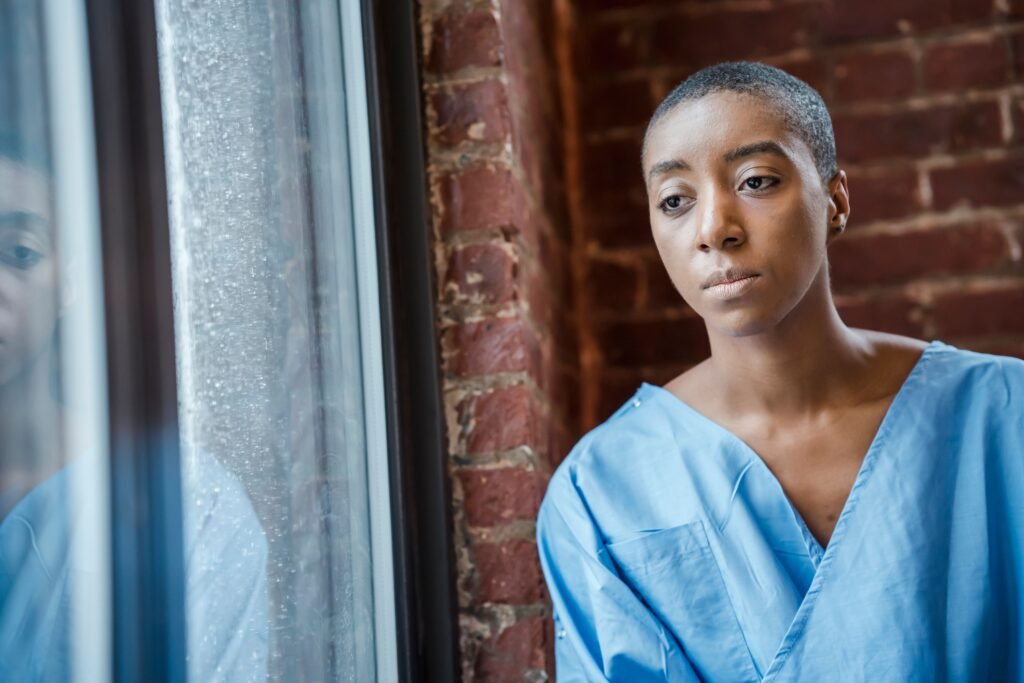
Your body is constantly talking. It whispers through cycles, aches, discharges, and subtle shifts. For many women, the challenge isn’t hearing those signals — it’s knowing which ones are ordinary background noise and which ones deserve a closer listen.
Too often, women are told “it’s just hormones,” “that’s just part of being a woman,” or “everyone deals with this.” The result? Real symptoms get normalized until they become harder to treat. Here’s a clear-eyed look at what’s usually normal… and what you shouldn’t ignore.
Your Period: The Monthly Report Card
A typical cycle lasts 21–35 days, with bleeding lasting 3–7 days. Mild-to-moderate cramps, breast tenderness, bloating, and mood shifts in the days before are common. Flow can vary from light to moderately heavy, and color can range from bright red to dark or brownish.
What shouldn’t be brushed off:
- Bleeding so heavy you soak through a pad or tampon every 1–2 hours, pass large clots, or bleed longer than 7 days
- Periods that suddenly become much more painful than your usual pattern, especially if the pain forces you to miss work, school, or daily activities
- Bleeding between periods or after sex
- Missed periods for three months or more (when not pregnant, breastfeeding, or menopausal)
- Any bleeding more than a year after your last period
These can point to fibroids, endometriosis, hormonal imbalances, polyps, or, less commonly, more serious conditions. Your period should not rule your life.
Breasts: Changes Are Common — New Ones Deserve Attention
Breasts naturally change with the menstrual cycle, pregnancy, breastfeeding, weight fluctuations, and aging. Many women have fibrocystic (lumpy) breasts that feel more pronounced before a period. Tenderness is frequent.
Red flags to check:
- A new lump or thickening that feels different from the surrounding tissue
- Skin dimpling, puckering, redness, or an “orange peel” texture
- Nipple turning inward or discharge (especially clear or bloody) that isn’t related to pregnancy or breastfeeding
- Persistent pain in one specific area that doesn’t come and go with your cycle
- Swelling or color changes that appear suddenly
Most lumps are benign, but any new or changing finding warrants a professional evaluation. Early checks are simply smart self-care.
Vaginal Discharge and Pelvic Comfort
Healthy discharge is usually clear or white, varies in consistency throughout the cycle (thinner and stretchier around ovulation, thicker later), and doesn’t have a strong odor. Mild pelvic awareness or light ovulation pain (mittelschmerz) on one side is also common for some women.
Don’t ignore:
- Discharge that becomes foul-smelling, green, gray, yellow, or cottage-cheese-like, especially with itching, burning, or irritation
- Pelvic pain that is new, severe, persistent outside of your period, or accompanied by fever
- Pain during sex that is ongoing
- Sudden, intense pelvic pain (this can be an emergency)
These symptoms can signal infection, pelvic inflammatory disease, endometriosis, or other issues that respond better when addressed early.
The “Silent” Signals: Bloating, Energy, Weight, and More
Occasional bloating around your period is normal. Feeling a bit more tired in the luteal phase is common too.
Pay attention when:
- Bloating is persistent (lasting more than a couple of weeks), progressive, or comes with feeling full quickly, changes in bowel habits, or urinary frequency
- You experience unexplained fatigue that doesn’t improve with rest
- Weight changes significantly without shifts in diet or activity
- New or excessive hair growth in unexpected places, or noticeable hair thinning
- Persistent digestive changes or unexplained nausea
Persistent bloating in particular has been linked in some cases to ovarian concerns, though far more often it stems from diet, IBS, or hormonal shifts. The key is duration and accompanying symptoms.
The Bottom Line: Know Your Normal
Every woman’s body has its own baseline. What feels ordinary for one person may be a shift for another. Tracking your cycle, symptoms, and any changes for a few months gives you powerful data to share with a healthcare provider.
You don’t need to panic over every variation. But you also don’t need to suffer in silence or accept that severe pain, disruptive bleeding, or unexplained changes are “just part of being a woman.”
See a doctor or gynecologist if something feels off and stays off — especially if it interferes with your daily life, appears suddenly, or comes with other concerning signs. Early conversations often lead to simpler solutions and greater peace of mind.
Your body isn’t trying to scare you. It’s trying to communicate. Listening carefully — without unnecessary fear and without unnecessary dismissal — is one of the most powerful forms of self-respect you can practice.
You know your body better than anyone. Trust that knowledge, and use it.