


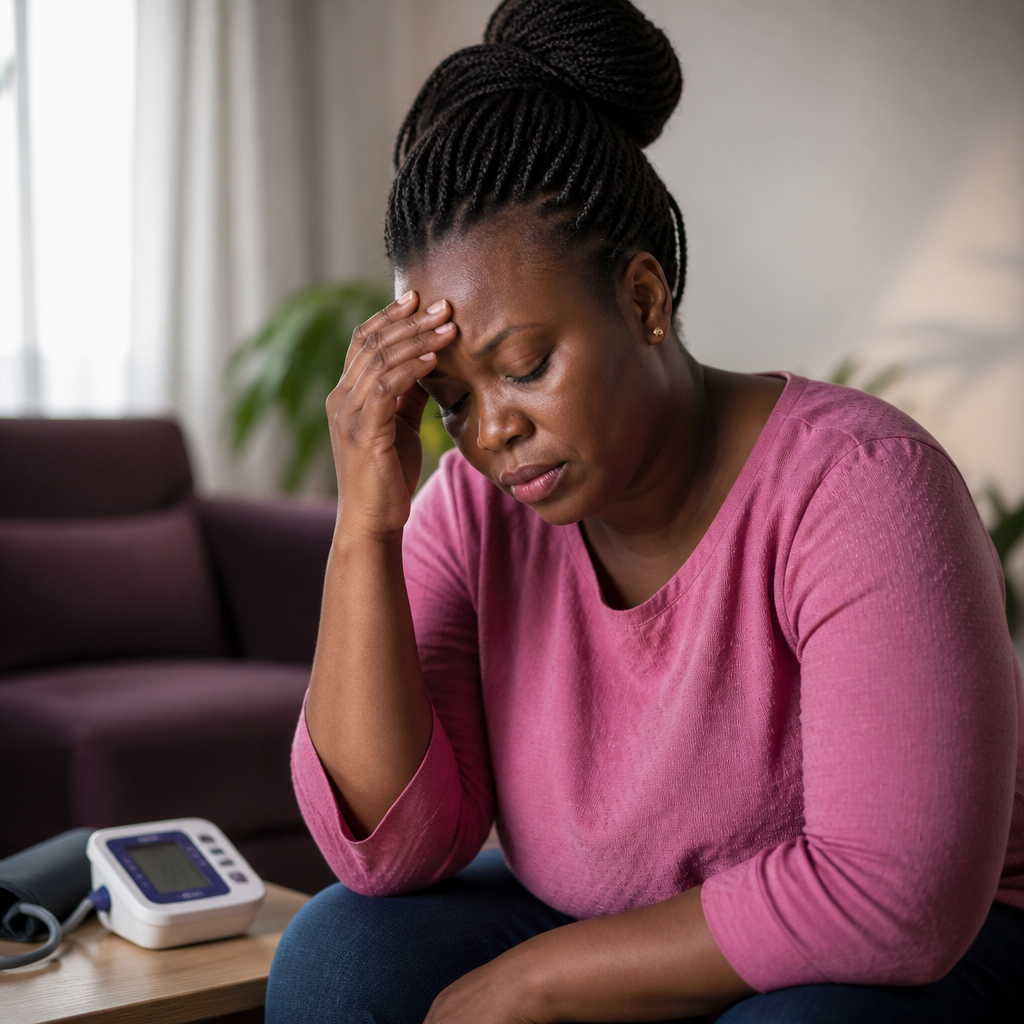
Hypertension Symptoms: Why High Blood Pressure Can Be Difficult to Detect
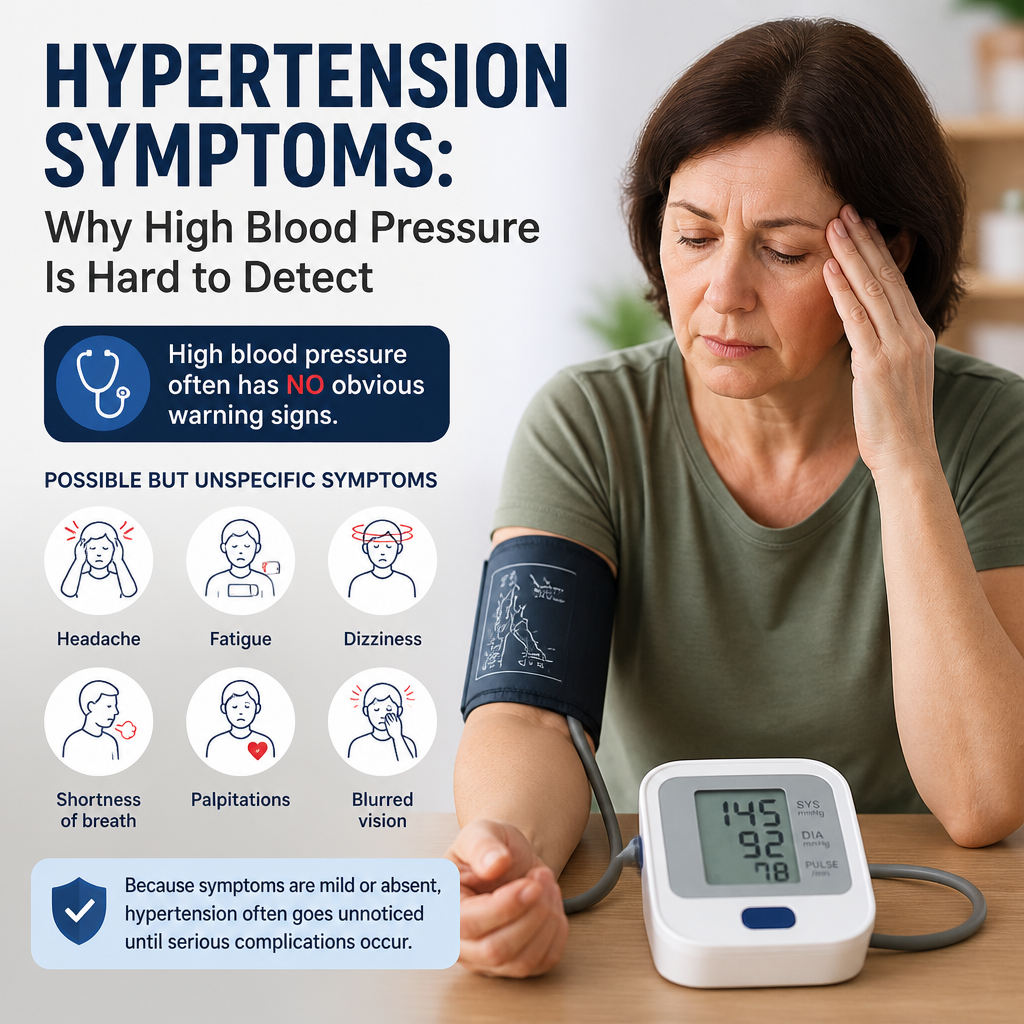
High blood pressure is one of the most common health problems in the world, yet many people do not know they have it. This is because hypertension symptoms are often mild, vague, or completely absent. In many cases, a person may feel perfectly fine while their blood pressure is silently rising.
That is why hypertension is often called the silent killer. It can damage the heart, brain, kidneys, and blood vessels over time without clear warning signs. By the time symptoms appear, the condition may already be causing serious harm.
Why High Blood Pressure Is Hard to Notice
Unlike a fever or cough, high blood pressure does not always produce obvious discomfort. Many people expect high blood pressure symptoms to be dramatic, but the reality is different. Most people with hypertension do not feel anything unusual in the early stages.
This makes regular monitoring extremely important. A blood pressure check is the only reliable way to know whether your blood pressure is normal, elevated, or dangerously high.
Some people discover their condition only during a routine clinic visit, a workplace screening, or after a health issue like stroke or heart disease has already begun.
Common Signs of Hypertension
Although hypertension is often symptom-free, some people may experience warning signs, especially when blood pressure is very high. These signs of hypertension can include:
- Headaches
- Dizziness
- Blurred vision
- Shortness of breath
- Chest discomfort
- Nosebleeds
- Fatigue
- Palpitations
These symptoms are not unique to hypertension, which is part of what makes the condition difficult to detect. For example, a headache may be caused by stress, dehydration, lack of sleep, or many other issues. Still, if headaches happen often, it is wise to check your blood pressure.
Headache and High Blood Pressure: Is There a Link?
Many people assume that headache and high blood pressure always go together. In truth, mild to moderate hypertension usually does not cause headaches at all. However, a severe increase in blood pressure may lead to head pain, especially if the pressure rises suddenly.
If headaches are frequent, severe, or happen along with vision changes or chest pain, do not ignore them. These could be signs that blood pressure is dangerously high and needs immediate medical attention.
Dizziness and Hypertension: What You Should Know
Another symptom often linked with high blood pressure is dizziness. But like headaches, dizziness and hypertension do not always mean the same thing. Dizziness can result from many causes, such as low blood sugar, dehydration, ear problems, or medication side effects.
Still, if dizziness keeps coming back, it should not be dismissed. Checking blood pressure can help rule out hypertension and guide the next steps for care.
Why Silent Hypertension Is So Dangerous
Because silent hypertension often has no clear symptoms, it can quietly damage the body for years. Over time, untreated high blood pressure increases the risk of:
- Stroke
- Heart attack
- Heart failure
- Kidney disease
- Vision loss
- Memory problems
This is why regular health screening matters, even if you feel healthy. A normal feeling does not always mean normal blood pressure.
The Importance of Routine Blood Pressure Checks
A simple blood pressure test can reveal problems early, before complications develop. Adults should make it a habit to get their blood pressure checked during clinic visits or at community health screenings.
This is especially important for people with:
- A family history of hypertension
- Diabetes
- Obesity
- High stress
- Smoking habits
- Excess salt intake
- Lack of physical activity
Many cases of hypertension can be managed better when detected early. That means fewer emergencies and a better chance of protecting long-term health.
Hypertension and Health Awareness in Nigeria
In many communities, including high blood pressure Nigeria, awareness is still growing. Some people only seek care when symptoms become severe, while others may not know the risks of untreated hypertension.
This makes health awareness Nigeria very important. Public education, community screening, and regular checkups can help people detect hypertension early and take action before complications begin.
Simple habits such as reducing salt, staying active, avoiding smoking, managing stress, and following medical advice can make a big difference.
The Role of The Physicians in Early Detection
Trusted healthcare professionals play a key role in helping people understand and manage blood pressure. The Physicians often stress that prevention, screening, and early treatment are the best ways to reduce the harm caused by hypertension.
If you are unsure about your symptoms, or if you have not checked your blood pressure in a while, speaking with a clinician can help you make sense of your health status and risk level.
Final Thoughts
Hypertension can be difficult to detect because it often causes no obvious warning signs. That is what makes it so dangerous. While some people may notice hypertension symptoms such as headache, dizziness, or blurred vision, many others experience no symptoms at all.
The best defense is a regular blood pressure check and greater awareness of the risks. Do not wait for signs to appear before taking your health seriously. High blood pressure may be silent, but it is not harmless.