


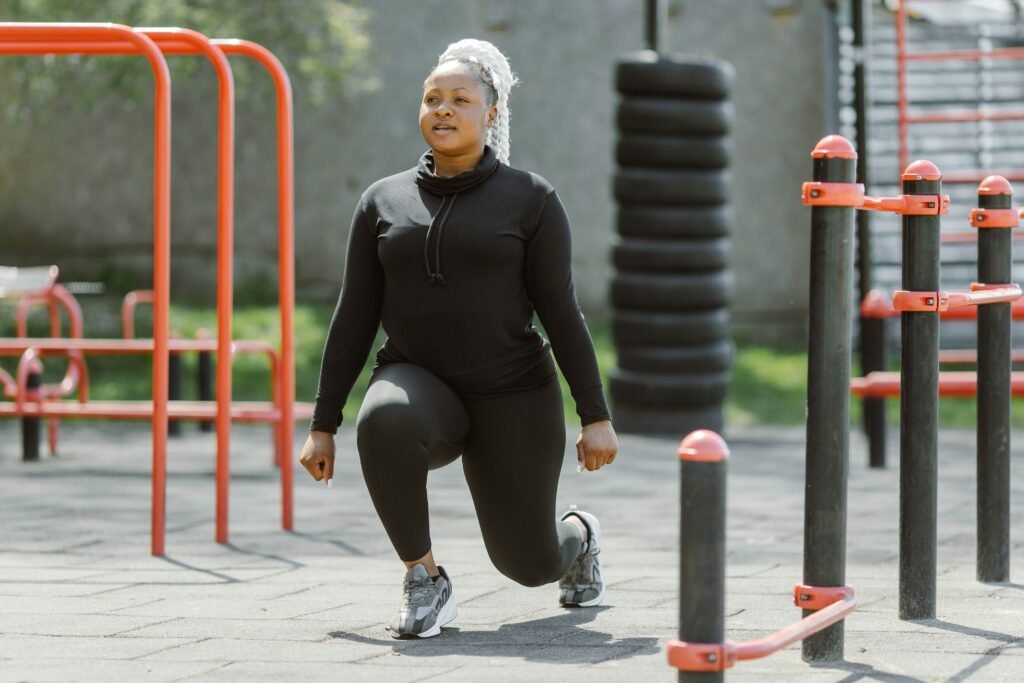
Heart disease remains one of the leading health concerns worldwide, but the good news is that your daily choices can make a major difference. Among the most powerful habits for heart health is regular exercise. It supports healthy blood pressure, improves cholesterol, helps with obesity prevention, and strengthens the heart muscle itself. In short, staying active is one of the most effective forms of heart disease prevention.
But how much exercise is enough? Do you need to spend hours at the gym, or can a brisk walk really help? The answer is encouraging: you do not need to become a marathon runner to protect your heart. Consistent physical activity, even in modest amounts, can significantly lower your risk of cardiovascular problems.
Why Exercise Matters for Heart Health
Your heart is a muscle, and like any muscle, it becomes stronger with regular use. When you exercise, your heart pumps more efficiently, your circulation improves, and your body learns to use oxygen better. Over time, this can reduce strain on the cardiovascular system.
Exercise supports cardiovascular health in several ways:
- Lowers blood pressure
- Helps raise HDL, the “good” cholesterol
- Helps lower triglycerides
- Reduces blood sugar levels
- Improves insulin sensitivity
- Supports healthy body weight
- Decreases inflammation
- Improves mood and stress levels
These benefits matter because heart disease is influenced by multiple risk factors, including high blood pressure, high cholesterol, diabetes, smoking, stress, and excess body weight. A healthy lifestyle with regular exercise can help address several of these at once.
How Much Exercise Is Recommended?
Most health organizations recommend at least 150 minutes of moderate-intensity exercise per week or 75 minutes of vigorous-intensity exercise per week, or a combination of both. For even greater benefits, many experts recommend moving toward 300 minutes of moderate activity per week.
That may sound like a lot at first, but it breaks down into manageable pieces. For example:
- 30 minutes a day, 5 days a week = 150 minutes
- 15 minutes twice a day can also add up
- 10-minute walks throughout the day count too
The key is consistency. You do not need to do all of it at once to gain benefits for heart disease prevention.
Moderate vs. Vigorous Exercise
Understanding intensity can help you plan your routine.
Moderate-intensity exercise
This includes activities that raise your heart rate and make you breathe faster, but you can still talk.
Examples:
- Brisk walking
- Light cycling
- Dancing
- Water aerobics
- Gardening
- Doubles tennis
Vigorous-intensity exercise
This is more demanding and makes it harder to carry on a conversation.
Examples:
- Running
- Fast cycling
- Swimming laps
- Singles tennis
- High-intensity interval training
- Hiking uphill
Both types of exercise support heart health. If you prefer walking, that’s absolutely beneficial. If you enjoy running or more intense workouts, that can provide additional cardiovascular benefits.
What If You’re Just Starting?
If you are new to physical activity, the thought of 150 minutes per week may feel intimidating. The best approach is to start small and build gradually. Even a little movement is better than none, especially if you’ve been inactive for a long time.
A simple progression might look like this:
- Start with 10 minutes of walking a day
- Add 5 minutes every week
- Work up to 30 minutes most days
- Include a mix of walking, strength training, and stretching
If you have not exercised in a while, or if you have risk factors like high blood pressure, diabetes, or a history of heart problems, it is wise to talk with a healthcare provider before beginning a new routine.
Does Any Exercise Count?
Yes. Every bit of movement adds up. The best exercise is the kind you can do consistently. While structured workouts are helpful, daily activity matters too.
Ways to increase your total physical activity include:
- Taking the stairs instead of the elevator
- Parking farther from the entrance
- Walking during phone calls
- Doing household chores with more energy
- Stretching or moving during TV commercials
- Using a standing desk part of the day
These small changes may seem minor, but they reduce sedentary time and contribute to better cardiovascular health.
How Exercise Helps Prevent Heart Disease
To understand the link between exercise and heart disease, it helps to look at the major risk factors.
1. It Helps Control Weight
Excess body fat, especially around the waist, is associated with a higher risk of heart disease. Exercise helps burn calories and supports obesity prevention, which can reduce pressure on the heart and blood vessels.
Even if the number on the scale changes slowly, regular exercise can improve body composition by building muscle and reducing fat. This can make a meaningful difference in long-term heart health.
2. It Lowers Blood Pressure
High blood pressure is a major risk factor for heart disease and stroke. Regular exercise can help blood vessels stay more flexible, which improves blood flow and reduces pressure on arterial walls. For many people, consistent activity can lower blood pressure enough to reduce the need for medication or improve how well treatment works.
3. It Improves Cholesterol Levels
Exercise often raises HDL cholesterol, which helps remove excess cholesterol from the bloodstream. It can also lower triglycerides, a type of blood fat linked to cardiovascular problems. While exercise alone may not solve every cholesterol issue, it is an important part of a broader heart disease prevention strategy.
4. It Supports Blood Sugar Control
When your muscles are active, they use glucose more effectively. This helps lower blood sugar and improves insulin sensitivity. That matters because diabetes and prediabetes increase the risk of heart disease. Regular movement is one of the best tools for protecting both metabolic and cardiovascular health.
5. It Reduces Stress
Chronic stress can contribute to unhealthy behaviors and may affect blood pressure, sleep, and inflammation. Exercise helps release tension and can improve mood by stimulating endorphins and reducing anxiety. A better mental state can support a more sustainable healthy lifestyle overall.
How Much Is Enough for Different Goals?
The ideal amount of exercise depends on your goals, current health, and fitness level. Here is a practical guide.
For basic heart disease prevention
Aim for:
- 150 minutes of moderate activity per week
- 2 days of strength training
This level is enough for many people to improve heart health and lower risk factors.
For weight management and obesity prevention
Aim for:
- 200 to 300 minutes of moderate activity per week
- Regular strength training
- Less sitting during the day
If obesity prevention or weight loss is a major goal, slightly higher activity levels may be helpful.
For stronger cardiovascular fitness
Aim for:
- A mix of moderate and vigorous exercise
- 3 to 5 cardio sessions per week
- Strength training for major muscle groups
This can help improve endurance, energy, and overall fitness.
What About Strength Training?
Cardio gets most of the attention when people talk about the heart, but strength training also plays an important role. Building muscle helps regulate blood sugar, supports metabolism, and makes daily movement easier.
Good strength-training options include:
- Bodyweight exercises like squats and push-ups
- Resistance bands
- Free weights
- Weight machines
- Pilates or functional training
You do not need to lift heavy weights to benefit. Two sessions per week can support heart health by improving body composition and helping you stay active over time.
The Best Exercise Is the One You Can Stick With
A routine only works if it fits your life. If you hate running, you will probably not keep running. If you love dancing, hiking, swimming, or biking, those activities may be easier to maintain.
To build a lasting healthy lifestyle, choose movement you enjoy:
- Walk with a friend
- Join a local class
- Bike to work
- Play a recreational sport
- Follow short home workouts online
- Take family walks after dinner
Enjoyment matters because consistency is what drives long-term heart disease prevention.
Tips to Make Exercise Part of Daily Life
Building a habit is often easier when you remove barriers. Try these simple strategies:
Set a specific time
Schedule workouts like any other appointment. Morning, lunch break, or after dinner—whatever is most realistic.
Start with realistic goals
It is better to do 20 minutes three times a week than to plan six workouts and quit after one week.
Track your activity
Use a journal, phone app, or smartwatch to monitor your physical activity. Seeing progress can be motivating.
Pair exercise with something enjoyable
Listen to music, podcasts, or audiobooks while walking or cycling.
Keep gear accessible
Having sneakers, water, or workout clothes ready makes it easier to act on your intentions.
Focus on progress, not perfection
Some weeks will be better than others. What matters is returning to your routine instead of giving up.
When Exercise Alone Is Not Enough
While exercise is essential, it is only one part of protecting your heart. The strongest results come from combining it with other healthy habits, such as:
- Eating a balanced diet
- Not smoking
- Managing stress
- Getting enough sleep
- Limiting alcohol
- Staying hydrated
- Managing blood pressure, cholesterol, and blood sugar
This broader healthy lifestyle approach gives your heart the best chance to stay strong. Exercise is a major pillar, but it works best when supported by other positive choices.
Signs You May Be Doing Too Much
Exercise is beneficial, but more is not always better. Overtraining can lead to fatigue, soreness, injury, and burnout. Warning signs may include:
- Persistent exhaustion
- Elevated resting heart rate
- Trouble sleeping
- Joint or muscle pain that does not improve
- Loss of motivation
- Frequent illness
If you feel worse instead of better, it may be time to rest, reduce intensity, or seek professional advice. The goal is sustainable fitness, not punishment.
Conclusion
You do not need extreme workouts to reduce your risk of heart disease. For most adults, 150 minutes of moderate exercise per week, plus some strength training, is a strong and realistic goal. Even small amounts of daily physical activity can improve heart health, support cardiovascular health, and contribute to heart disease prevention.
Whether you prefer walking, cycling, dancing, or lifting weights, consistency matters more than perfection. The best exercise plan is one you can maintain long term as part of a healthy lifestyle. By staying active, you are not only improving your fitness—you are taking one of the most important steps toward protecting your heart for years to come.