


What High Cholesterol Does to Your Body and How to Lower It Naturally
High cholesterol is one of the most common health concerns today, yet many people do not realize how quietly it can affect the body. Unlike a sudden illness that causes obvious pain or visible warning signs, high cholesterol often develops without noticeable cholesterol symptoms. Over time, though, it can play a major role in serious conditions such as heart health problems, stroke, and cardiovascular disease.
The good news is that cholesterol levels can often be improved with everyday lifestyle changes. Understanding what cholesterol is, how it affects your body, and how to lower cholesterol naturally can help protect your heart for years to come.
What Is Cholesterol?
Cholesterol is a waxy, fat-like substance found in your blood. Your body needs it to build cells, produce hormones, and support digestion. The liver makes all the cholesterol you need, but cholesterol also comes from foods like meat, dairy, and eggs.
The problem begins when there is too much cholesterol circulating in the blood. That extra cholesterol can build up in artery walls and lead to narrowing or blockage.
There are two main types you should know:
- LDL cholesterol: Often called “bad” cholesterol because it can build up in the arteries.
- HDL cholesterol: Often called “good” cholesterol because it helps carry cholesterol away from the arteries and back to the liver.
A healthy balance between LDL and HDL cholesterol is important for long-term heart health.
What High Cholesterol Does to Your Body
High cholesterol does not usually cause symptoms right away. That is one reason it can be dangerous. Many people discover they have it only after a blood test or after a serious health event.
It Narrows and Hardens Your Arteries
When LDL cholesterol is too high, it can stick to artery walls and form plaque. Over time, this plaque hardens and narrows the arteries, a condition called atherosclerosis.
This can make it harder for blood to flow through your body. Reduced blood flow means your organs and tissues may not get enough oxygen-rich blood.
It Increases the Risk of Heart Attack and Stroke
If plaque ruptures, the body may form a blood clot around it. That clot can block blood flow completely. If this happens in an artery leading to the heart, it can trigger a heart attack. If it blocks blood flow to the brain, it can cause a stroke.
This is why high cholesterol is so closely linked to cardiovascular disease. It does not usually act alone, but it is one of the major contributors.
It Can Lead to Poor Circulation
When arteries become narrowed, circulation throughout the body can suffer. Poor circulation may cause fatigue, cold hands and feet, or discomfort when walking or exercising. In more severe cases, blood flow problems can affect the legs and feet.
It May Affect Other Organs
The heart and brain are the most commonly discussed targets of high cholesterol, but other organs can be affected too. For example, poor blood flow can place strain on the kidneys and reduce overall organ function over time.
Cholesterol Symptoms: Why It Is Often Called a Silent Problem
Many people look for obvious cholesterol symptoms, but in most cases, high cholesterol does not produce clear warning signs. You may feel completely fine while plaque is quietly building in your arteries.
That is why doctors often call it a “silent” condition. The first sign may be a routine lab test showing abnormal numbers, or a more serious event such as chest pain or a heart attack.
In some rare cases, very high cholesterol can cause visible signs such as:
- Yellowish deposits around the eyes
- Fatty lumps under the skin
- White or gray rings around the cornea of the eye
However, these are not common. For most people, testing is the only reliable way to know whether cholesterol is high.
What Causes High Cholesterol?
Several factors can raise cholesterol levels. Some are within your control, while others are not.
Diet
Eating too much saturated fat and trans fat can raise LDL cholesterol. These fats are found in foods such as:
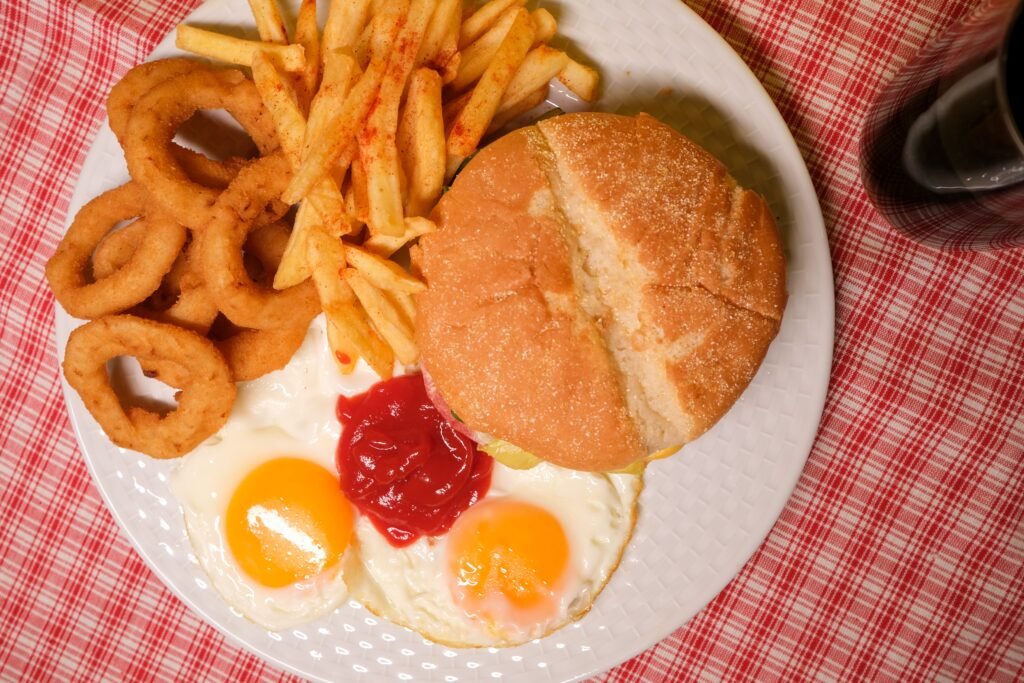
- Fried foods
- Processed baked goods
- Fatty cuts of meat
- Full-fat dairy
- Packaged snacks made with hydrogenated oils
A diet low in fiber and high in refined carbohydrates can also contribute to unhealthy cholesterol levels.
Lack of Exercise
Physical inactivity can lower HDL cholesterol and make it harder for your body to manage fat levels properly. Regular movement helps improve circulation and supports healthy cholesterol balance.
Excess Weight
Carrying extra body weight, especially around the abdomen, is linked to higher LDL cholesterol and lower HDL cholesterol. Even modest weight loss can improve cholesterol numbers.
Smoking
Smoking damages blood vessels and lowers HDL cholesterol. It also makes it easier for plaque to build up in artery walls.
Genetics
Some people inherit a tendency toward high cholesterol. This means even a healthy lifestyle may not be enough on its own, though it still plays a very important role in reducing risk.
Age and Hormonal Changes
As people age, cholesterol often rises. Menopause can also affect cholesterol levels in women due to hormonal changes.
How to Lower Cholesterol Naturally
Natural strategies may not replace medical treatment for everyone, but they can make a meaningful difference. In many cases, lifestyle changes are the first and most powerful step to improve cholesterol and protect heart health.
1. Eat More Soluble Fiber
Soluble fiber helps reduce the amount of cholesterol your body absorbs into the bloodstream. It binds with cholesterol in the digestive system and helps remove it from the body.
Good sources include:
- Oats
- Beans and lentils
- Apples
- Pears
- Barley
- Chia seeds
- Flaxseeds
For example, starting your day with oatmeal topped with berries and chia seeds is a simple way to support healthier cholesterol levels.
2. Choose Healthier Fats
Not all fats are bad. Replacing unhealthy fats with healthier ones can help lower LDL cholesterol.
Choose more of these:
- Olive oil
- Avocados
- Nuts
- Seeds
- Fatty fish like salmon, sardines, and mackerel
Limit these:
- Butter
- Margarine with trans fats
- Fried and heavily processed foods
- Fatty processed meats
A simple meal swap, like using olive oil instead of butter and adding grilled salmon instead of fried chicken, can support long-term cholesterol improvement.
3. Increase Physical Activity
Exercise can help raise HDL cholesterol and lower LDL cholesterol and triglycerides. It also supports healthy weight, blood pressure, and overall cardiovascular function.
Aim for activities such as:
- Brisk walking
- Cycling
- Swimming
- Dancing
- Strength training
- Jogging
Even 30 minutes of moderate activity most days of the week can help. If you are just getting started, begin with shorter walks and build up gradually.
4. Lose Excess Weight
If you are overweight, even a small amount of weight loss can make a difference. Losing 5% to 10% of body weight may improve cholesterol and reduce strain on the heart.
Focus on sustainable changes rather than crash diets. A steady approach tends to work better over the long term.
5. Quit Smoking
When you stop smoking, your HDL cholesterol can improve and your blood vessels begin to recover. Quitting also lowers your risk of heart attack and stroke.
If you smoke, even one positive change in this area can have a powerful effect on your heart health.
6. Limit Added Sugar and Refined Carbs
Sugar and refined carbohydrates do not directly raise cholesterol in the same way as saturated fat, but they can contribute to unhealthy lipid patterns, especially higher triglycerides and lower HDL cholesterol.
Try reducing:
- Sugary drinks
- Candy
- White bread
- Pastries
- Sweetened cereals
- Highly processed snacks
Instead, focus on whole foods such as vegetables, fruit, whole grains, beans, and lean protein.
7. Add Plant Sterols and Stanols
Plant sterols and stanols are natural compounds found in small amounts in plants that can help block cholesterol absorption. Some foods are fortified with them, such as certain spreads, yogurts, and orange juices.
These can be helpful for people trying to lower cholesterol as part of a broader plan.
8. Manage Stress
Chronic stress does not directly cause high cholesterol, but it can influence habits that raise risk, such as overeating, poor sleep, smoking, or skipping exercise.
Helpful stress-reduction strategies include:
- Deep breathing
- Meditation
- Yoga
- Walking outdoors
- Journaling
- Spending time with supportive friends and family
Managing stress supports both emotional well-being and physical heart health.
9. Get Better Sleep
Poor sleep has been linked to higher risk factors for cardiovascular disease, including weight gain, inflammation, and metabolic changes that may affect cholesterol.
Try to maintain a regular sleep schedule and aim for 7 to 9 hours per night. A dark, quiet bedroom and limiting screen time before bed can also help.
Foods That Support Healthy Cholesterol Levels
Some foods are especially helpful if you want to improve cholesterol naturally. A heart-friendly diet does not have to be bland or restrictive.
Best Foods to Include
- Oatmeal and bran cereals
- Beans, lentils, and chickpeas
- Nuts such as almonds and walnuts
- Fatty fish rich in omega-3s
- Fruits like apples, berries, and citrus
- Vegetables, especially leafy greens
- Whole grains like brown rice and quinoa
- Olive oil and avocado
Foods to Limit
- Processed meats
- Fried foods
- Baked goods with trans fats
- Fast food
- Sugary drinks
- Highly refined snack foods
- Excess butter and full-fat dairy
A helpful rule is to build meals around whole foods and use processed items less often.
When to Get Your Cholesterol Checked
Because cholesterol symptoms are usually absent, regular testing is important. Adults should talk with their healthcare provider about how often to check cholesterol based on age, family history, and other risk factors.
You may need more frequent testing if you have:
- High blood pressure
- Diabetes
- A family history of high cholesterol or early heart disease
- A history of smoking
- Obesity or excess abdominal weight
If you already know your cholesterol is high, your doctor can help you track progress and decide whether lifestyle changes alone are enough.
A Simple Day of Heart-Healthy Eating
Here is an example of how a cholesterol-friendly day might look:
- Breakfast: Oatmeal with berries, chia seeds, and a handful of walnuts
- Lunch: Lentil soup with a side salad and olive oil dressing
- Snack: Apple slices with almond butter
- Dinner: Baked salmon, roasted vegetables, and quinoa
- Dessert: Fresh fruit or plain yogurt with cinnamon
This kind of meal pattern provides fiber, healthy fats, and nutrients that support lower cholesterol and better overall health.
Conclusion
High cholesterol is often silent, but its effects on the body can be serious. By raising LDL cholesterol and lowering protective HDL cholesterol, it can increase the risk of plaque buildup, poor circulation, heart attack, stroke, and cardiovascular disease. The good news is that many people can lower cholesterol naturally through smart food choices, regular exercise, weight management, smoking cessation, and healthy daily habits.
If you focus on small, consistent changes, you can make a meaningful difference in your heart health and reduce the long-term damage that high cholesterol can cause.