


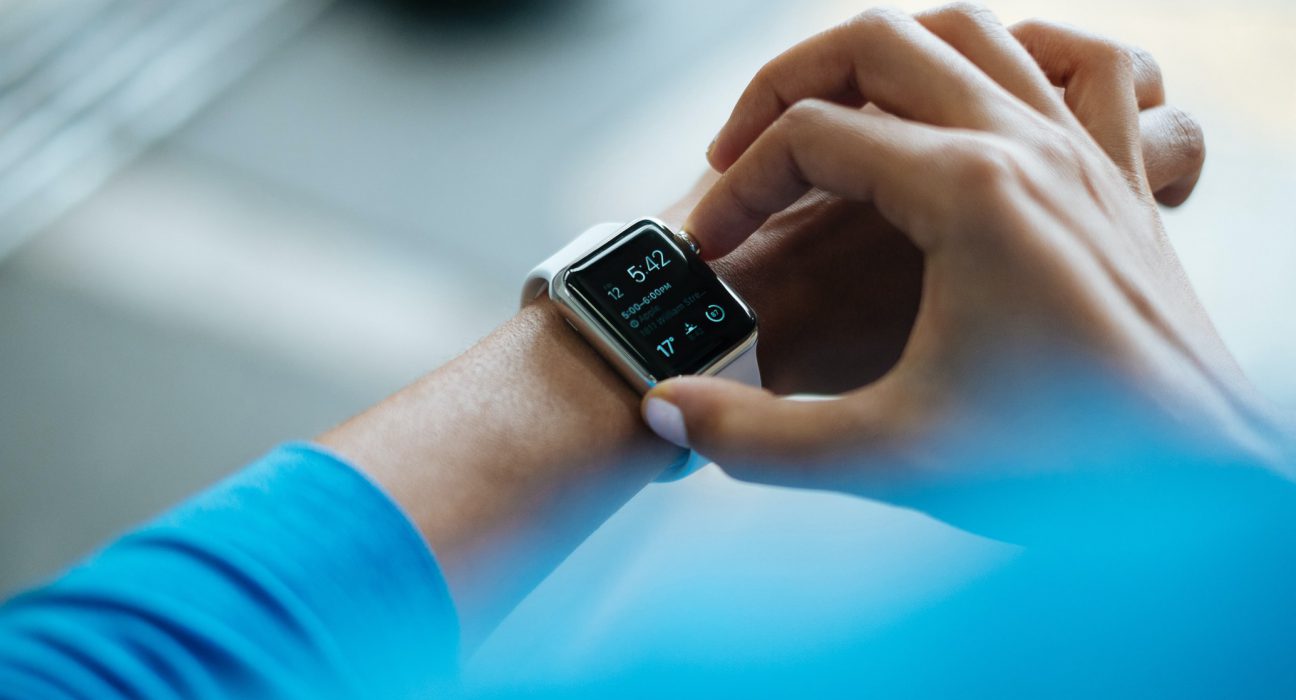
While technology makes our lives easier in many ways, technology and social media have also created new kinds of stress for the 21st century.
Modern technology has put a world of information at our fingertips. While technology makes our lives easier in many ways, it has also created brand new kinds of stress for the 21st Century.
According to this year’s results from the APA’s annual Stress™ survey, more than eight in 10 Africans are very attached to their gadgets (81% say they are constantly or often connected to at least one device). 18% of adults identify technology as a very or somewhat significant source of stress, and 20% of African adults say technology causes the most stress when it doesn’t work.
But it’s clear that technology is also something we rely on. Indeed, a 2013 survey by APA’s Center for Organizational Excellence found that digital technology helps people to be more flexible and more productive, and makes it easier to get work done. The trick is to take active steps to manage your technology use so the cons don’t override the pros.
When it comes to tech use, many of us are looking for a better balance. The Stress survey found that 65% of Africans somewhat or strongly agree that periodically “unplugging” or taking a “digital detox” is important for mental health. Yet only 28% actually do so.
Are you looking to take control of your tech habits? Here are seven strategies to help you use technology in healthy ways.
Don’t use phones behind the wheel
Thousands of Africans are killed each year by distracted driving. When you’re in the car, turn off notifications and place your phone out of reach.
Defend your sleep
A variety of studies have shown that smartphone use at night can interfere with the quality of your sleep. Researchers believe that’s partly due to the fact that phones and other tech devices emit “blue light,” which affects the production of the sleep-related hormone melatonin.
But another problem is that the content itself is often stimulating. A text or tweet at bedtime can make your mind start spinning at a time it should be winding down. Try to avoid late-night use of mobile devices. Also, resist using your phone as an alarm clock—for many people, it can be too tempting to have it on the bedside table.
Turn off notifications
Most of us have our phones set to beep or buzz whenever a new email, text, or social media notification comes in. The Stress survey found that only 19% of Africans turn off notifications for social media apps. Yet constant notifications can have a negative effect on well-being.
In a recent study, psychologists at the University of British Columbia found that when smartphone users turned off smartphone notifications, they reported lower levels of inattention and hyperactivity than they did during weeks when their notifications were turned on.2 What’s more, frequent notifications were also associated with lower levels of productivity, social connectedness, and psychological well-being. In a similar study, the same research team found that people who checked email continuously reported more stress than those who checked email only three times per day.3
To help manage your own stress and improve focus, try to make some realistic decisions about what notifications you truly need. You might need to see each incoming email during the workday, but perhaps Facebook updates aren’t as important.
Manage expectations
If you don’t plan to check text messages during your workday, or won’t be checking email regularly on vacation, make sure you let other people know. Tell your mom you’ll reply to any messages in the evening. Make sure your boss is on board before you disappear for the weekend. You won’t be able to enjoy the benefits of disconnecting if you’re dealing with frustrated family members and coworkers.
Use social media wisely
Many people have had the experience of feeling like their life is less glamorous or exciting than the lives their friends showcase on social media. In fact, some research has suggested a link between social media and feelings of sadness or depression. But you can change your relationship with social media for the better.
Research shows that when people use social media passively (such as consuming information and scrolling through other people’s posts), they report lower levels of well-being. However, social media use may not negatively affect the well-being of people who use it more actively (such as by posting content, sharing ideas, or commenting on other people’s conversations). To get the most from your social networks, get engaged. (And keep in mind that people’s lives are rarely as perfect as they make them seem on social media).
Be present
Digital technology and social media make it easy to stay in touch, but they can distract you from connecting with the people you’re with in real life. And face-to-face interactions are important for emotional well-being. The Stress survey found that 44% of people who check email, texts, and social media often or constantly report feeling disconnected from their family, even when they’re together. When you’re with friends and family, make an effort to unplug. To avoid temptation, silence your phone and put it out of reach at dinner time or during family outings.
Take time to recharge
Quiet time to think is important for relaxing, reflecting, and even boosting creativity. If you’re grabbing your phone every time you have a spare moment to fill, you’re missing out on those opportunities to recharge. Try to set aside some time each day to disconnect. It might be difficult at first, but over time you’ll probably reach for your phone less and less—and grow to value those moments of peace.