


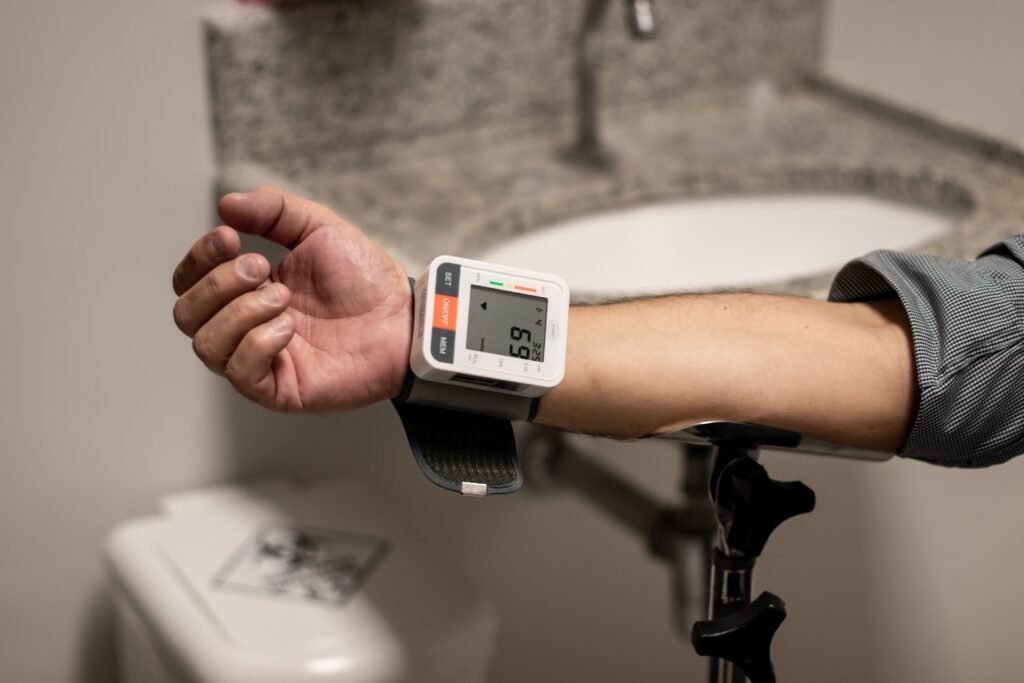
High blood pressure, also called hypertension, is often called the “silent killer” for a reason: many people have it for years without knowing. In the early stages, it may not cause obvious problems, but untreated hypertension can quietly damage the heart, brain, kidneys, and blood vessels. That is why understanding the early warning signs matters so much for heart health and overall cardiovascular health.
Not every person with high blood pressure will notice symptoms right away. Still, certain warning signs can show up, especially when blood pressure becomes dangerously high or starts affecting other parts of the body. Recognizing these signs early and seeking medical help can support preventive healthcare and help reduce the risk of serious complications.
Below are 10 early warning signs of high blood pressure you should never ignore.
1. Frequent Headaches
One of the most commonly mentioned hypertension symptoms is a recurring headache. While headaches can happen for many reasons—stress, dehydration, lack of sleep—not every headache should be dismissed.
People with very high blood pressure may experience:
- A dull, throbbing pain
- Headaches that feel worse in the morning
- Pressure around the back of the head or temples
- Headaches that come with dizziness or blurred vision
When to pay attention
If headaches start happening more often than usual, especially along with other symptoms like nosebleeds or vision changes, it may be worth checking your blood pressure. A headache alone does not confirm high blood pressure, but it can be an important clue.
2. Dizziness or Lightheadedness
Feeling dizzy or lightheaded can be another sign that your blood pressure is too high. Some people describe it as a spinning feeling, while others feel faint, unsteady, or “off balance.”
Dizziness may happen because high blood pressure affects circulation and the brain’s ability to receive normal blood flow. It can also appear if blood pressure rises suddenly.
Example
Imagine standing up quickly and feeling a brief wave of dizziness. That can happen to anyone sometimes. But if you feel dizzy repeatedly, even while resting or after simple activities, it is worth getting checked.
3. Blurred or Double Vision
Your eyes contain many tiny blood vessels, and prolonged hypertension can damage them. One of the more serious high blood pressure symptoms is a change in vision, including:
- Blurred vision
- Seeing double
- Spotting dark areas
- Sudden loss of vision in one eye
This happens because high blood pressure may strain or damage the blood vessels in the retina, the part of the eye that helps you see clearly.
Why this matters
Vision changes can signal that hypertension is already affecting your body. If your eyesight suddenly becomes blurry or distorted, you should seek medical attention promptly, not wait for it to pass.
4. Nosebleeds That Happen Often
A nosebleed does not always mean you have high blood pressure. Dry air, nose picking, allergies, and minor injuries can also cause bleeding. However, frequent or unexplained nosebleeds may sometimes be linked to high blood pressure, especially when they happen with other symptoms.
What to watch for
- Nosebleeds that happen repeatedly
- Bleeding that is hard to stop
- Nosebleeds combined with headache or chest discomfort
- Bleeding after minimal irritation, especially in someone with known hypertension
If you experience repeated nosebleeds and have not checked your blood pressure recently, it is a good idea to do so.
5. Shortness of Breath
Breathing problems can be a warning sign that high blood pressure is putting stress on the heart. When the heart has to work harder to pump blood through stiff or narrowed arteries, it may become less efficient over time.
Shortness of breath related to cardiovascular health concerns may appear as:
- Breathlessness during mild activity
- Difficulty lying flat
- Feeling unable to take a deep breath
- Waking up at night feeling short of breath
Example
You may notice that climbing a few stairs leaves you unusually winded, even though you used to handle it easily. That is not something to ignore, especially if it occurs alongside swelling, chest discomfort, or fatigue.
6. Chest Pain or Pressure
Chest pain is a major warning sign and should never be ignored. While chest pain can have many causes, including indigestion or muscle strain, it can also indicate that the heart is under strain from uncontrolled hypertension.
The pain may feel like:
- Tightness or pressure in the chest
- A squeezing or heavy sensation
- Burning that is not clearly tied to food
- Pain that spreads to the arm, back, neck, or jaw
Important note
If chest pain is severe, lasts more than a few minutes, or comes with sweating, nausea, or shortness of breath, seek urgent medical help immediately. This could be a sign of a heart attack or another serious emergency.
7. Fatigue and Weakness
Feeling tired now and then is normal, but ongoing fatigue can be one of the less obvious hypertension symptoms. When blood pressure remains high, the heart must work harder to circulate blood, which can leave you feeling drained.
You may notice:
- Low energy even after resting
- Weakness during normal daily tasks
- Trouble staying active
- A general feeling of being unwell
Why this is easy to miss
Fatigue is common and can be caused by stress, poor sleep, anemia, or infections. But if it becomes persistent and happens with other symptoms such as headache, dizziness, or chest pressure, it should not be ignored.
8. Irregular Heartbeat or Palpitations
Some people with high blood pressure experience palpitations, which feel like a racing, fluttering, pounding, or skipping heartbeat. This can happen when the heart is under strain or when blood pressure is affecting the cardiovascular system.
Signs may include:
- Heart beating too fast at rest
- Fluttering in the chest
- A pounding pulse in the neck
- Feeling that your heart “missed a beat”
Example
You might be sitting quietly and suddenly feel your heart pounding without any obvious reason. Occasional palpitations can happen from caffeine, stress, or anxiety, but frequent or strong palpitations should be checked, especially in someone at risk for hypertension.
9. Blood in Urine or Kidney-Related Changes
The kidneys are highly sensitive to blood pressure. Over time, untreated hypertension can damage the blood vessels in the kidneys, affecting how they filter waste from the body.
Possible signs include:
- Blood in the urine
- Foamy urine
- Swelling in the feet, ankles, or face
- More frequent urination at night
- Changes in how much urine you pass
Why kidney health matters
Kidney damage and high blood pressure often feed into each other. High blood pressure can harm the kidneys, and damaged kidneys can also worsen blood pressure. This is one reason regular screening is so important for preventive healthcare.
10. Facial Flushing, Anxiety, or Restlessness
When blood pressure rises suddenly, some people notice a flushed face, a sense of agitation, or unusual restlessness. These symptoms are not specific to high blood pressure, but they may appear during a dangerous spike, especially when combined with other warning signs.
You might feel:
- Warmth or redness in the face
- Nervousness or unease without a clear reason
- Trouble relaxing
- A pounding sensation in the head or chest
Important reminder
These symptoms can also be caused by stress, menopause, alcohol, or certain medications. Still, if they appear repeatedly or are linked to headaches, chest pain, or vision changes, do not assume they are harmless.
Why High Blood Pressure Often Goes Unnoticed
One of the biggest dangers of hypertension is that it can remain silent for years. Many people in the early stages feel completely fine. That is why symptoms alone are not enough to rule it out.
You can have high blood pressure even if you:
- Feel healthy
- Exercise occasionally
- Are not overweight
- Are young
- Have no obvious symptoms
Because of this, routine blood pressure checks are a key part of cardiovascular health. The only way to know for sure is to measure it.
Who Is at Higher Risk?
Anyone can develop hypertension, but some factors increase the risk:
- Family history of high blood pressure
- Excess salt intake
- Smoking
- Alcohol misuse
- Obesity
- Lack of physical activity
- Chronic stress
- Diabetes
- Kidney disease
- Increasing age
In places like hypertension in Nigeria, awareness is especially important because many people may not get regular screenings until symptoms become severe. Lifestyle changes, access to care, and routine checks can make a major difference in detecting and controlling blood pressure early.
What You Should Do If You Notice These Signs
If you notice one or more of these symptoms, do not panic—but do not ignore them either. Here’s what to do:
- Check your blood pressure as soon as possible.
- Use a home monitor if you have one.
- Visit a pharmacy, clinic, or hospital for a reading.
- Keep a record of your symptoms.
- Note when they happen, how long they last, and what you were doing.
- Seek medical advice.
- A doctor can determine whether your symptoms are related to hypertension or another issue.
- Follow treatment recommendations.
- If medication is prescribed, take it exactly as directed.
- Do not stop treatment without medical guidance.
- Make lifestyle changes.
- Reduce salt intake
- Exercise regularly
- Maintain a healthy weight
- Limit alcohol
- Quit smoking
- Manage stress
- Sleep well
These steps support both heart health and long-term preventive healthcare.
When to Get Emergency Help
Some symptoms require immediate attention. Call emergency services or go to the nearest hospital if high blood pressure symptoms come with:
- Severe chest pain
- Trouble breathing
- Sudden weakness or numbness
- Confusion
- Fainting
- Sudden vision loss
- A severe headache that comes on quickly
- Difficulty speaking
These can be signs of a hypertensive emergency, stroke, or heart attack.
Conclusion
High blood pressure is often silent, but when symptoms do appear, they should never be ignored. Frequent headaches, dizziness, blurred vision, chest pain, shortness of breath, and other warning signs may point to hypertension or related complications. Knowing these hypertension symptoms can help you act early, protect your heart health, and reduce the risk of long-term damage.
If you suspect something is wrong, the best next step is simple: check your blood pressure and speak to a healthcare professional. Early action can make a life-changing difference for your cardiovascular health.